
The History of the Château de Collias
For nearly a thousand years, the Château de Collias has watched over the Gardon gorges from its rocky promontory. Every era has left its mark in stone: a medieval tower, a Renaissance portico, a classical facade, painted ceilings, and romantic gardens.
«Men pass away, nature remains, the stones remember.»
Key dates:
5th century — «Colleivacum», ancient name associated with Collias
11th century — construction of the medieval tower
1584 — capture of the Château during the Wars of Religion
1614 — Renaissance reconstruction
1629 — Night of Louis XIII at the chateau
18th century — golden age and creation of the park
1815 — installation of Joliclerc, gift of Napoleon
1866 — Numa Ausset and the romantic garden
1911 — sale of the castle by candle auction
2019 — revival of the estate
Ancient origins
Long before the castle, the promontory was inhabited. As early as the 5th century, Sidonius Apollinaris mentions «Colleivacum,» which historians link to Collias; local tradition preserves the memory of a «Greek Camp,» and some have connected the village's name to the Greek Kolias, a promontory in Attica.
Even stones can speak: during work near the tower, amphora fragments were unearthed, along with a Roman stele dedicated to Aphrodite — likely evidence of a Gallo-Roman villa, two millennia before our time.
The tower and the feudal centuries
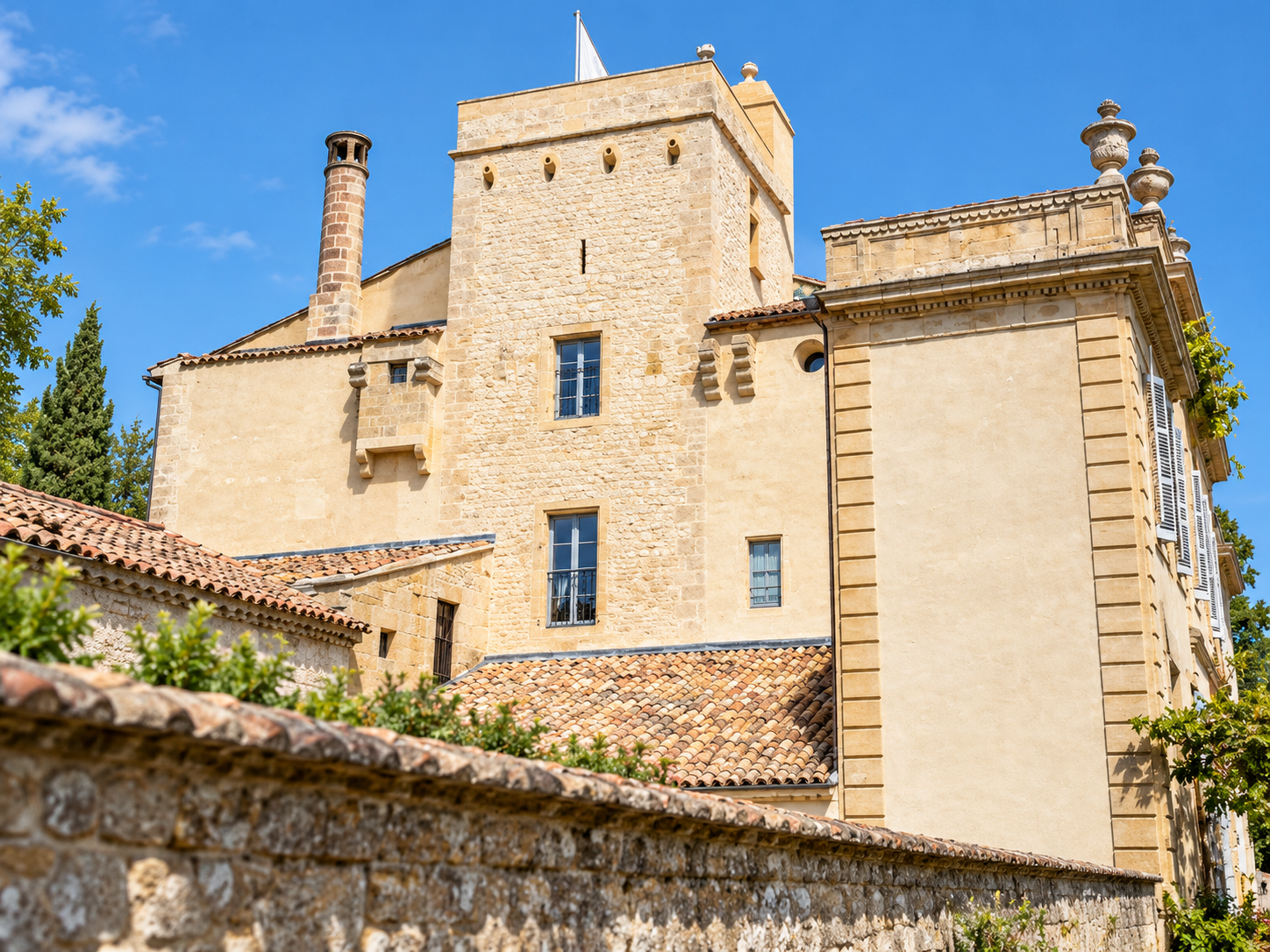
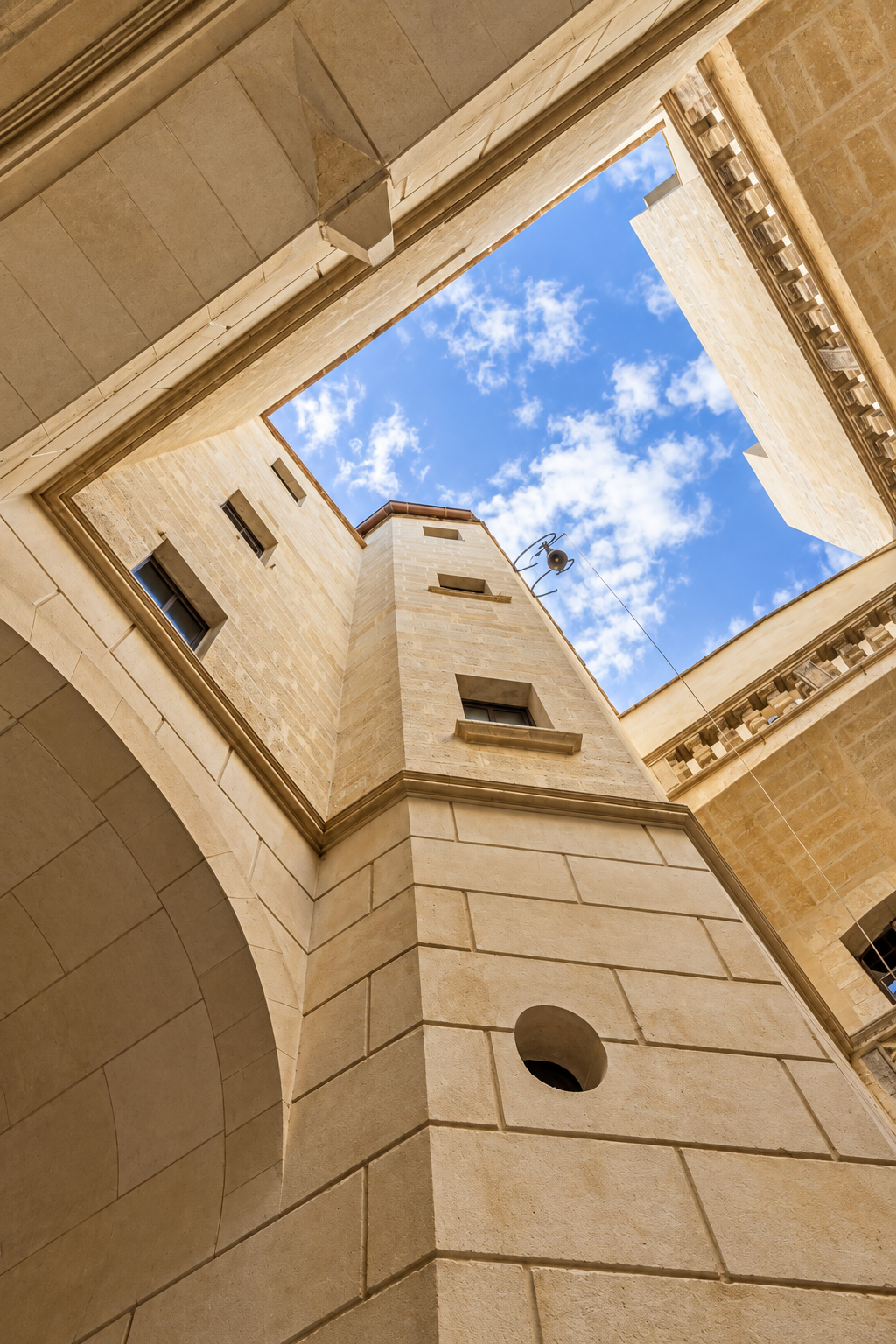
In the 11th century, the tower rises as the historical heart of the Château, owned by the bishops of Uzès—Eléazar I is mentioned around 1088. The Montarens followed, then Diane d'Albenas, «Lady of Collias», and the Trémolet de Montpezats: the village was even called Montpezat-lez-Uzès for a time.
The tower now houses a multi-level room, topped by a terrace from which, on a clear day, you can see the tower of the Duchy of Uzès and Mount Ventoux.
Renaissance and royal visit
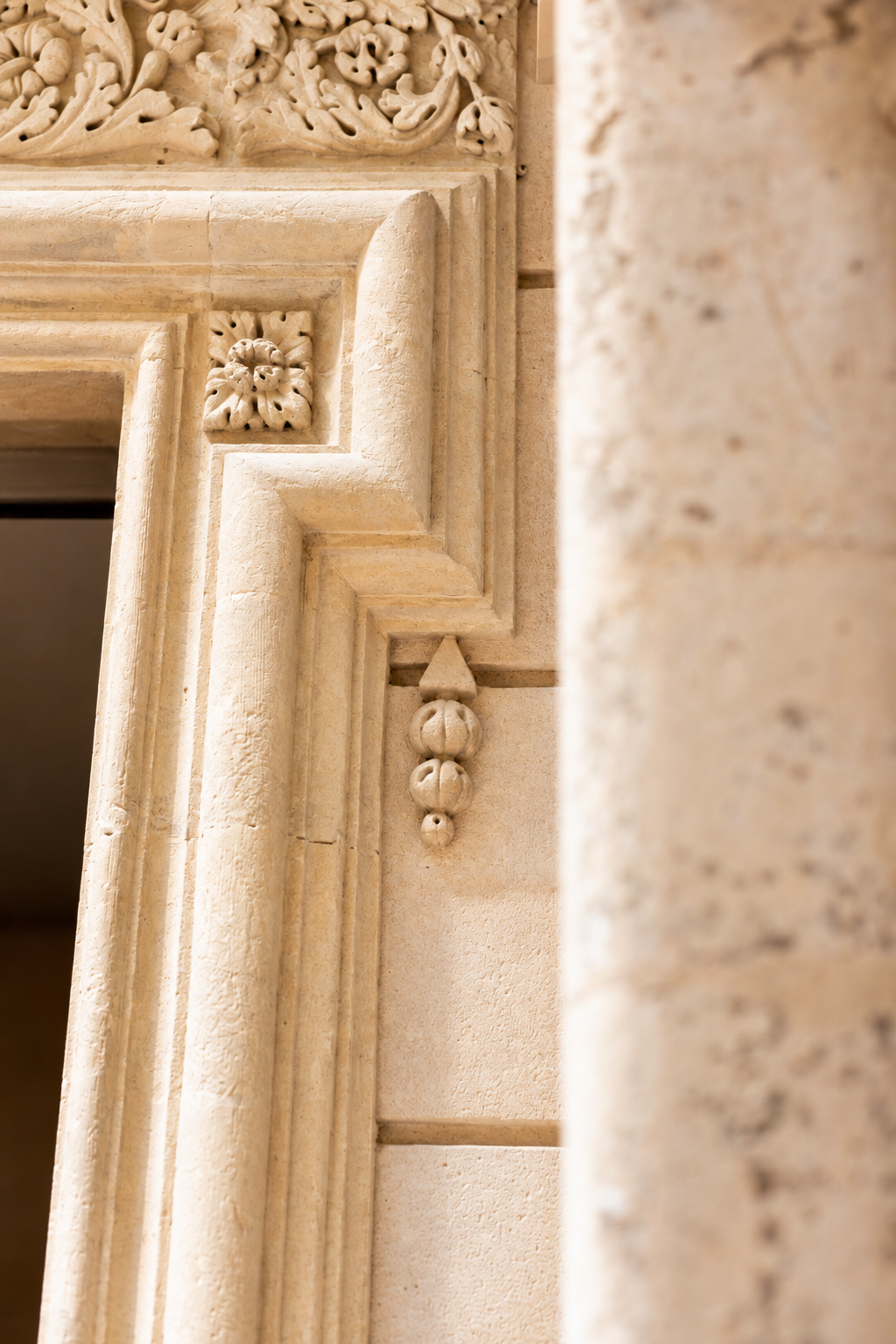
In 1584, the Wars of Religion set the château ablaze: the roofs burned. When peace returned, the reconstruction gave it mullioned windows, galleries, a helical stone staircase, and the monumental portico dated 1614.
In 1629, Louis XIII, on a campaign in the Midi with Richelieu, spent a night within these walls that had remained loyal to the crown. The same year, he ordered the destruction of the walls of Uzès, and the Peace of Alès brought the Wars of Religion to a close.
The golden age of the Enlightenment
In the 18th century, the Fournier de La Chapelle family, enriched by the plantations of Saint-Domingue, gave the château its grand classical facade, bedrooms each equipped with a powder room, and vast reception rooms.
The marquis entrusts the park to François-Joseph Bélanger, the architect of Bagatelle and the gardens of the Count of Artois: terraces, pathways, and vistas open the residence up to the gorges. The Revolution will shatter this momentum—the marquis dies by the guillotine, and the estate will be sold.
Napoleon, Joliclerc, and the Empire
Commissioner during the Revolution, then an agent for Napoleon I's intelligence networks, François-Xavier Joliclerc contributed to the dismantling of Cadoudal's plot. The Emperor gifted him the estate and appointed him to high office in Italy; he married the daughter of a general whose name is engraved on the Arc de Triomphe.
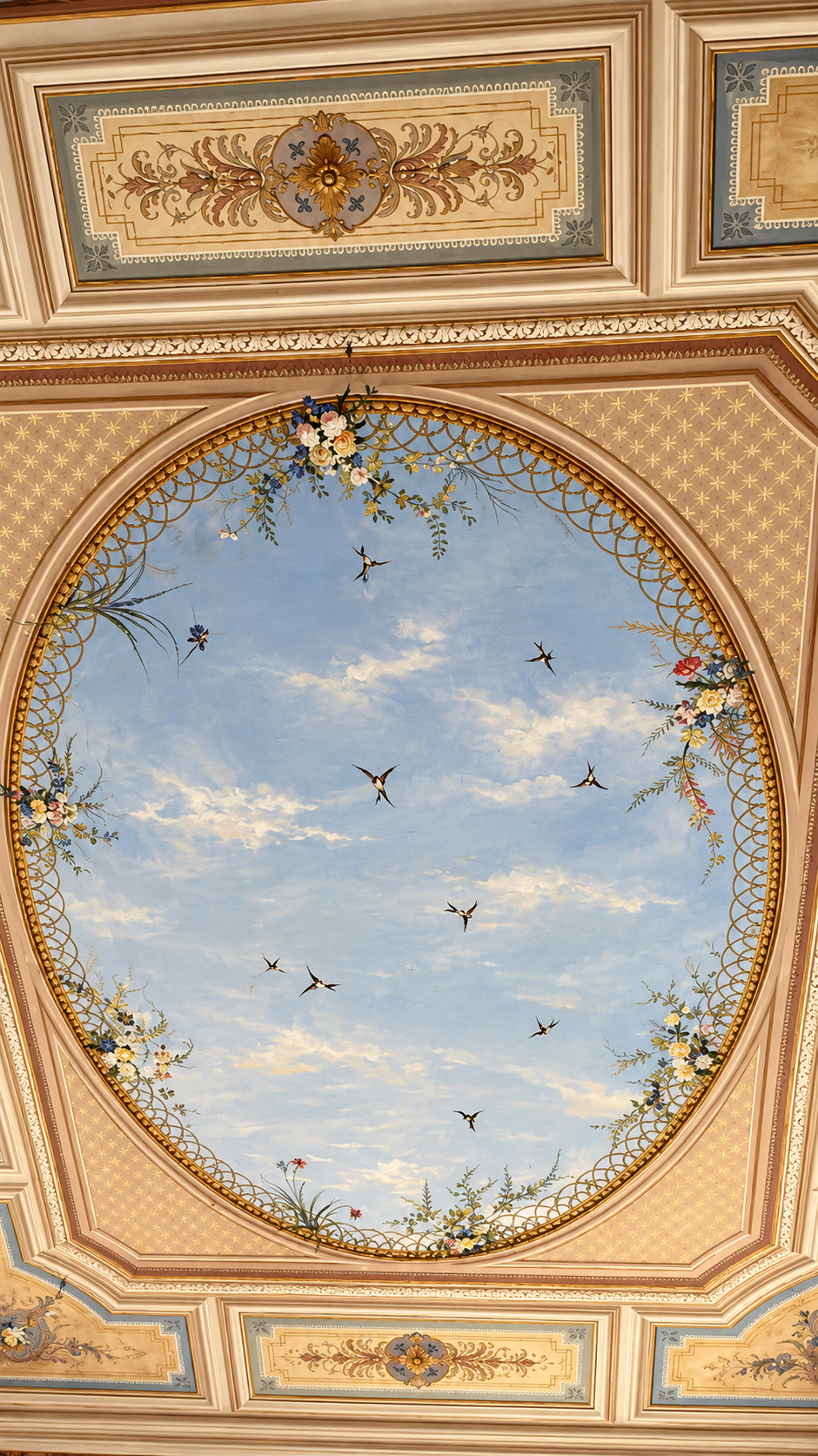
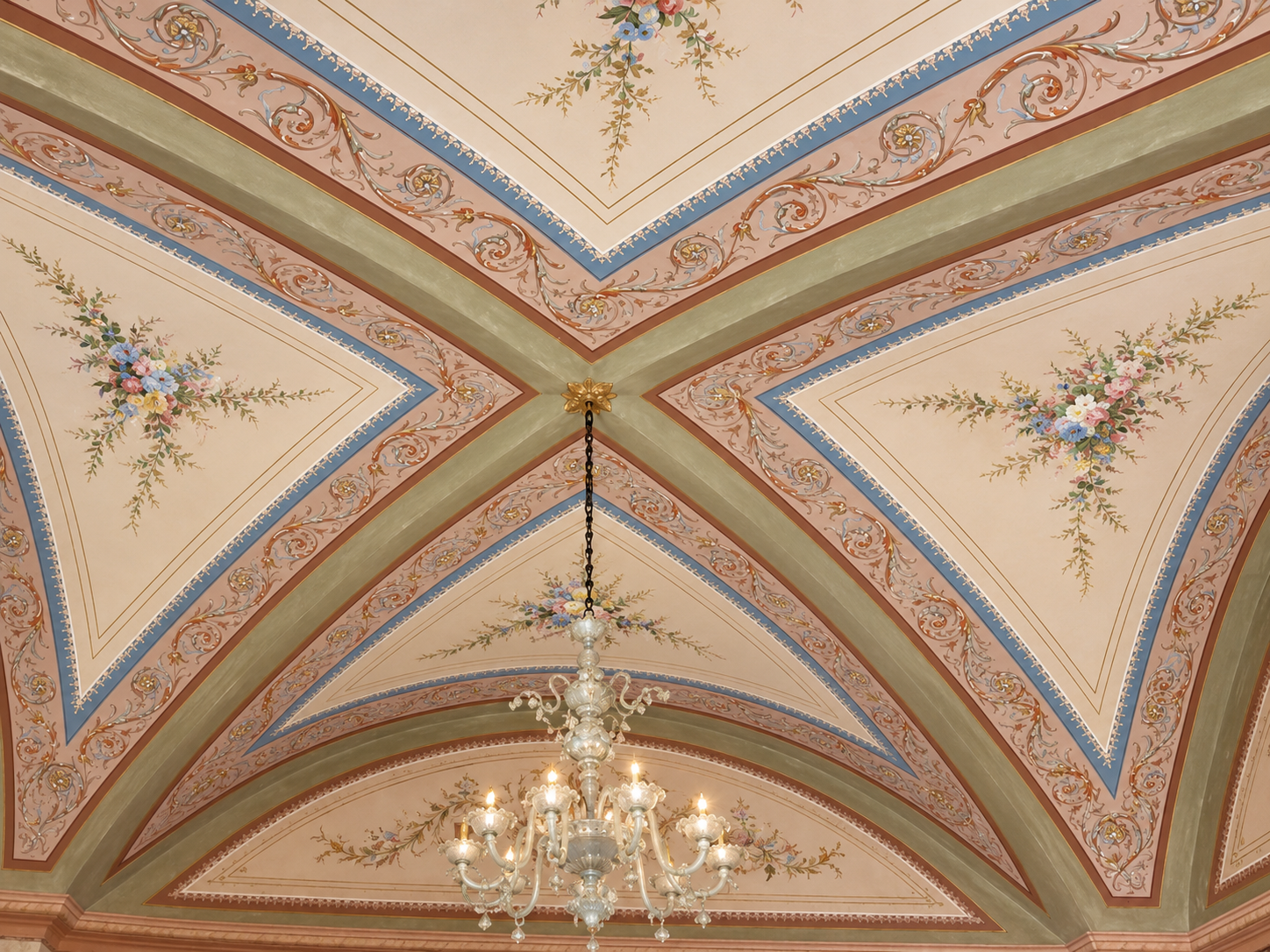
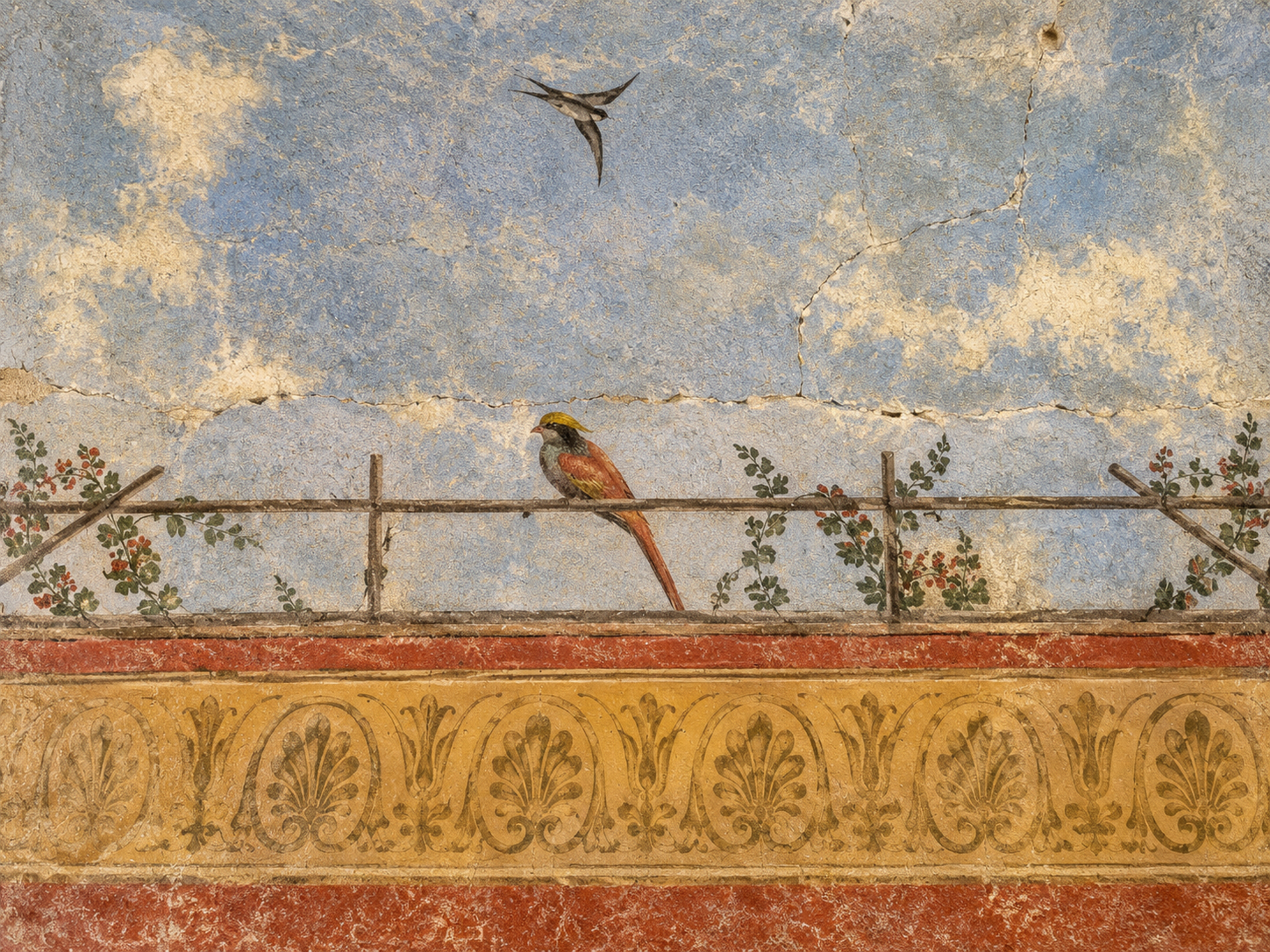
Upon the fall of the Empire, he settled in Collias in 1815, bringing with him Italian artists who transformed the château: painted ceilings by artists from the peninsula, granito floors, marble bathtubs with swan-neck faucets, a grand outdoor staircase, a grotto for cooling — and a library with hundreds of surviving books and archives dating back to the 14th century.
Having become mayor, he mortgages one hundred hectares of the château's estate to provide the village with a bridge, and rests, out of humility, in the mass grave of Collias.
19th-Century Families and Gardens
His daughter marries the lawyer Des Portes: six children grow up in the park. Their daughter marries the Marquis de Laqueuille, writer for the Revue des Deux Mondes, who died at thirty-two in Collias.
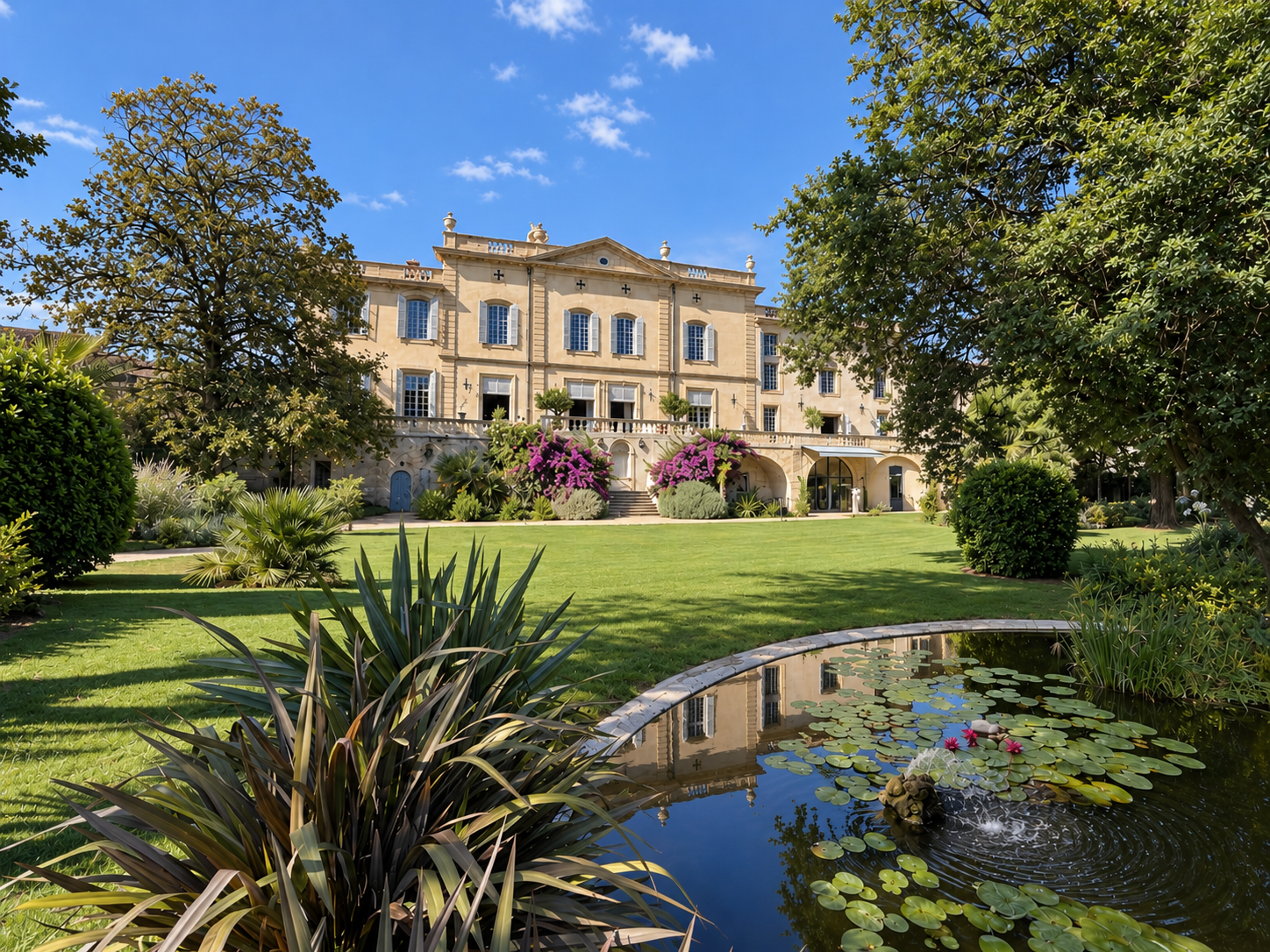
In 1866, Numa Ausset decorated the salons in the Second Empire style and had J. Cordioux design an English garden inspired by the villas of the French Riviera: a pond, rockery, winding stream, palm trees, and rare plant species.
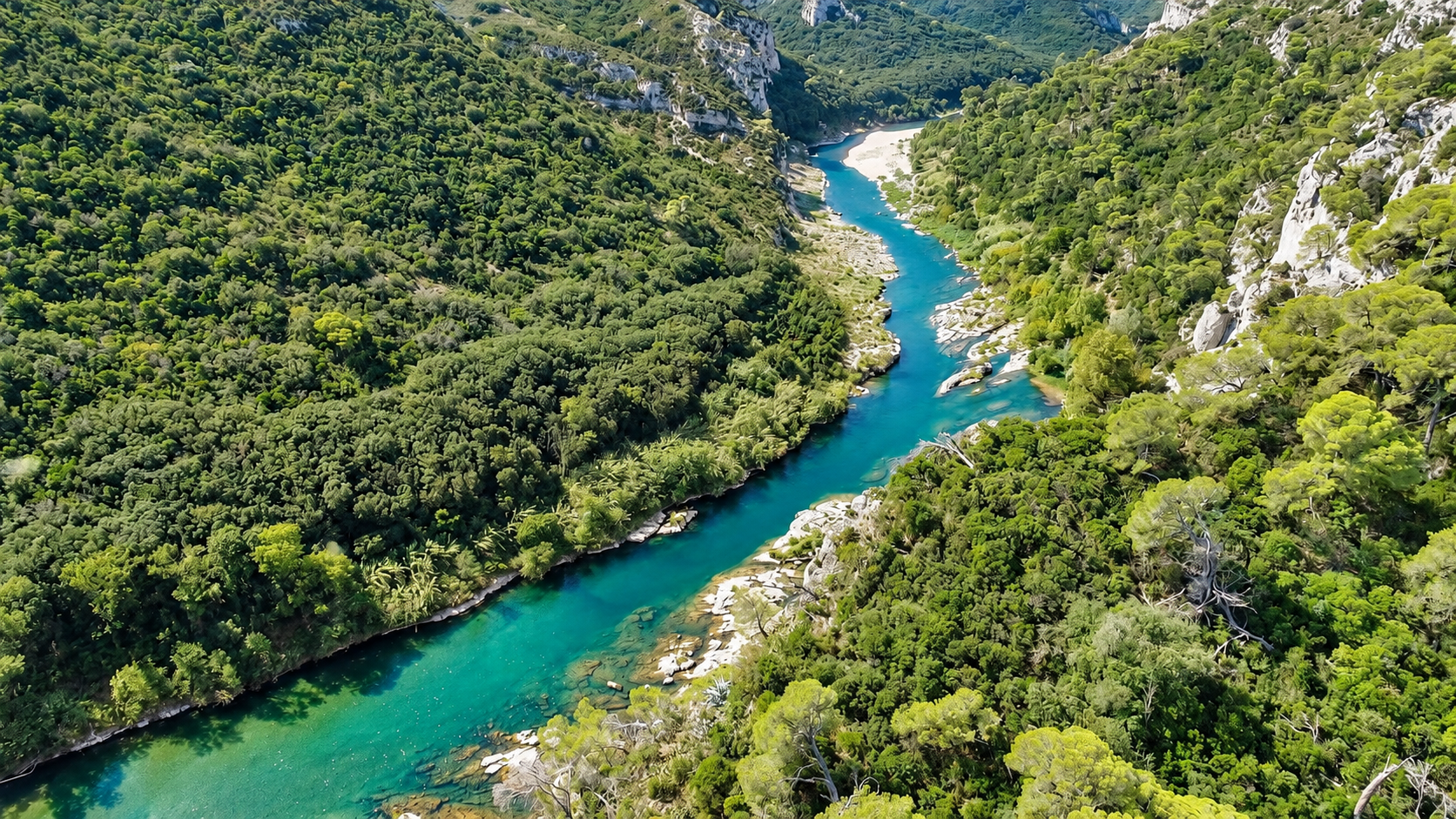
«There, a splendid, striking panorama unfolds at our feet: far below, the Gardon meanders between rugged, wooded heights, giving the landscape a wild aspect, yet one of genuine beauty.»
— Gard Horticultural Society, park visit, 1902
Candle auction and the long sleep
In 1911, the castle is sold by candlelight—a solemn, almost theatrical auction that brings a cycle to a close. The nephew who acquired it, wounded during the Great War, yields one hundred hectares of vines and the cellars.
The 20th century fragments the estate and lets it fall into slumber: the library is partly dispersed, the drawing rooms empty out, right up to the collapse of a wing in the early 2000s.
The Renaissance
In 2019, a complete restoration begins: roofs, facades, reception rooms, bedrooms—every space recovers its volumes and light. In 2021, nearly two thousand trees are planted.
Once again a place for hosting guests — formerly a five-star hotel with a Michelin-starred restaurant — the château is now dedicated to private stays and receptions, facing the gorges classified as a UNESCO biosphere reserve.